Before Social Media, if you wanted to post something on the internet you would have to figure out how to log into “Usenet” or learn how DNS worked. Posters were cloistered nerds mostly concerned with University research, Star Trek, and discussing what episode of “The Simpsons” was the worst ever (It’s “Kill the Alligator and Run”).
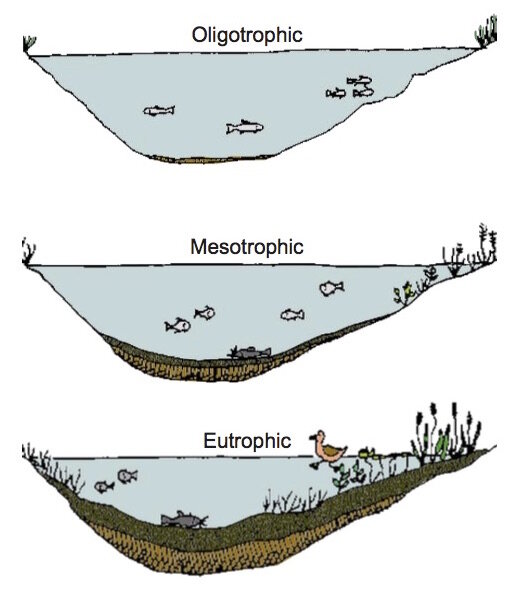
Times have changed though. Geocities begat MySpace, which begat Facebook, and so on. Now everyone can post nonsense online, but these platforms don’t pop up out of anywhere. They have a life-cycle. It’s not a life-cycle like a butterfly’s or frog’s. It’s more like a lake, where a big basin gradually fills up with weeds, trash, and duck droppings until it catches fire and the government has to intervene. There are five stages to a Social Media Platform’s life: Birth, Childhood, Adolescence, Adulthood, and Undeath.
Birth
Social Media Websites are born out of the minds of idealistic nerds. Mark Zuckerberg dreamed of a way to rate how hot the women were at his College and accidentally invented Facebook. Jack Dorsey wanted to give users an easy way to complain about public transportation in New York and San Francisco and created Twitter. Tom Anderson wanted to show the world that one picture he really liked of himself and developed MySpace.
Social Media in the birth stage is very limited. Users are friends and friends of friends of the creators. Posts are limited to what a user had for lunch. Sending messages on a Social Media platform in the birth stage can be met with confused replies of “just call or text me you idiot”. Users stumble for meaning on the platform much like a baby investigates a newfound object by putting it in their mouth. No one knows why they’re on the platform, or what to use it for, meaning hasn’t yet been discovered.

Prevalent User Type: Nerds. Friends of nerds.
Most common advertiser: None
Childhood
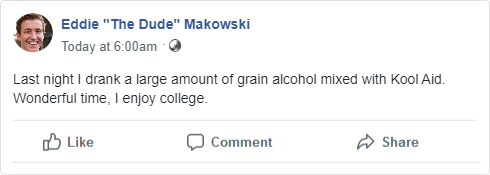
Every Social Media platform has an “ah ha!” moment. Facebook came into it’s own when College students realized they could use it to post about how drunk they were the night before. Tumblr caught on after a large group of adults realized they could use the platform to overanalyze children’s cartoons and video games. MySpace grew because burnouts realized they could use it to promote their shitty band. There is a spark, and a Social Media platform finds it’s purpose. It’s the beginning of a culture.
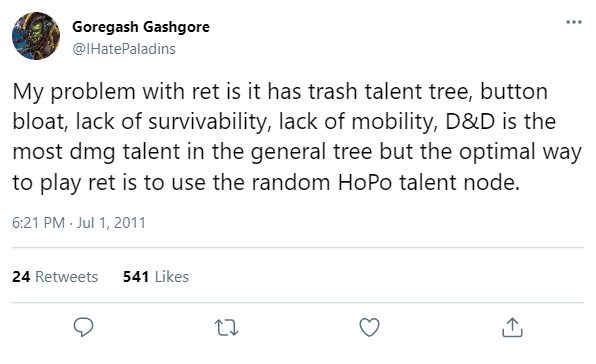
Prevalent User Type: Friends of friends of nerds. College students. Dorks. Geeks. Various dinguses.
Most common advertiser: Play-Asia. Newegg.
Adolescence
So you’ve created a successful Social Media platform, thousands or maybe even millions of strangers are making posts on YOUR server infrastructure that YOU bought with YOUR parents’ money. It’s time for these deadbeats to pay the piper, we need to start seriously growing and ADVERTISING on this thing.
In this stage the floodgates are open. Any kind of account creation restrictions are removed, you no longer need a college email or an invite to join. Just sign up and start posting. Users are encouraged to post anything and everything at all hours of the day. It’s in this stage that a user is most likely to make a post that will be dug up 5 to 10 years later and get them fired from their corporate finance job.
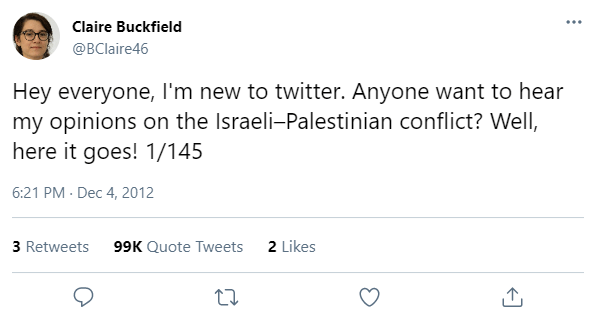
You also notice that if you glance to the right of your Social Media window, you can see ads. These ads are limited to sketchy fly-by-night companies, but there are ads. This will make some users extremely upset, but not upset enough to leave. In fact they will most likely start posting more about how the platform sucks now. This is called the “Social Media Paradox”.
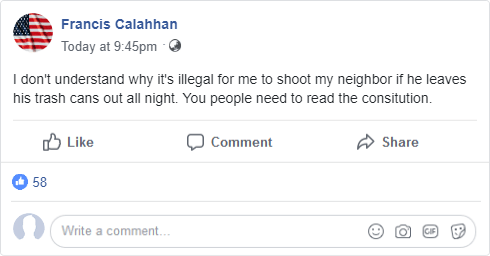
Prevalent User Type: Parents of nerds. Morons. Ordinary fucking people.
Most common advertiser: Discount Razor Blade Warehouse. Coffee Bean Startup. Legging Wholesaler. GED classes.
Adulthood
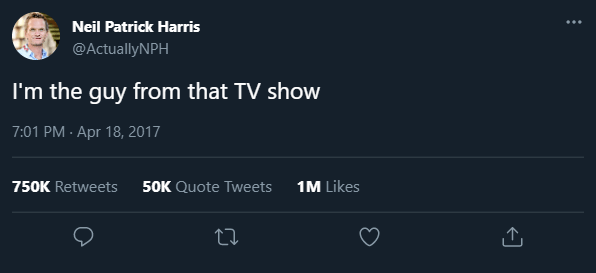
There is one way to know when a Social Media platform has hit adulthood: When actual honest to God celebrities start posting, and the admins start banning the users who pretend to be celebrities. Users also start talking about “The Algorithm” and how to make it happy as if it were a benevolent god. Gone are the days where you would see actual posts from people you knew, instead they’ve been exchanged for posts from Super Users, celebrities, and well known brands. It’s at this stage where a platform becomes more about content delivery rather than social interaction. Celebrities not on the platform may as well not even exist (at least according to their agents).
More interestingly at this state, users can expect to see advertisements from companies they’ve actually heard of.
Prevalent User Types: Actors. Billionaires. Athletes. Content Creators. The News. Politicians. The Pope.
Most common advertiser: McDonald’s. Ford. Disney. Coca-Cola. Lockheed Martin.
(Un)Death
After some time, social media naturally starts to stagnate. Interesting posters grow bored and move onto the next thing, young people call your platform “cringe”, ordinary people forget their passwords, bots and political trolls gradually move in. Failed politicians also start trying to use your platform to overthrow the US or Brazilian governments. These are things that just happen.
As a result, advertisers start getting upset since their ads aren’t getting the reach that they used to, and what posters are left start getting upset since their insane political ramblings aren’t getting the likes that they used to (See: Kevin Sorbo, Donald Trump Jr, Brooklyn Dad, and former hosts of the “Wheel of Fortune”).
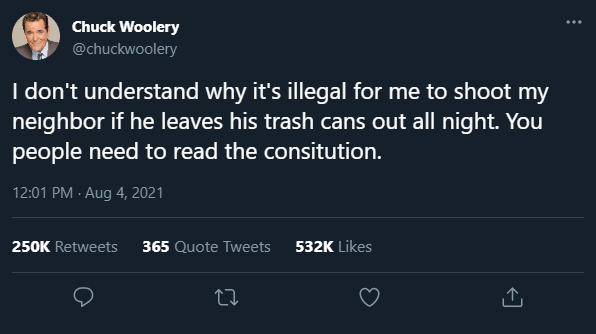
At this point the owners have three options: spend money on new content moderation technology and staff (HA!), sell the platform to some idiot with too much money (for example, Yahoo! or Elon Musk), or ignore everything and watch your stock price crash as your platform turns into another 4chan variant.
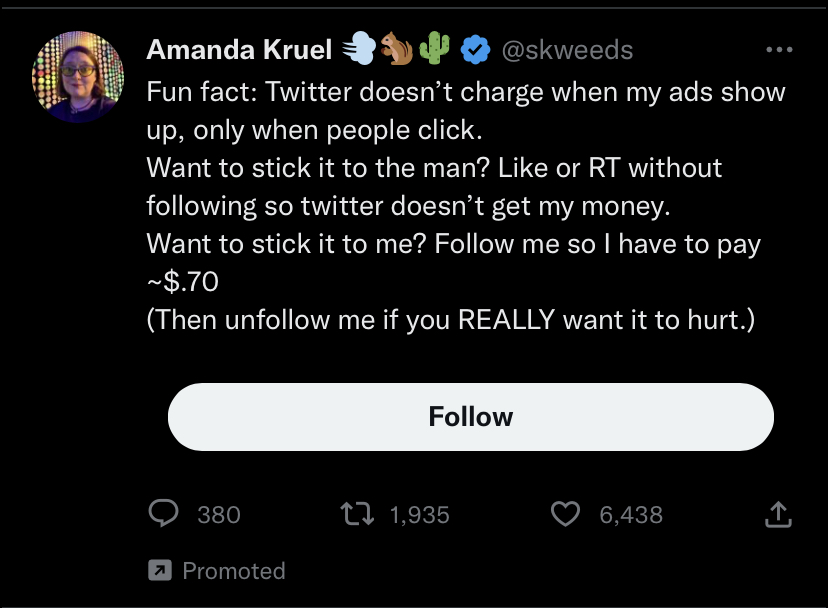
Prevalent User Types: Bot Farms. People you knew in high school who have gotten into MLM schemes. Demagogues. Incels. Neo-Nazis.
Most common advertiser: Conservative Discount Razor Blade Warehouse. Second Amendment Coffee Bean Startup. Progressive Legging Wholesaler. Prager U.
Can a social media platform survive the UnDeath stage of the lifecycle? Maybe. But overall I don’t think it matters. You people should go outside and look at some trees instead.
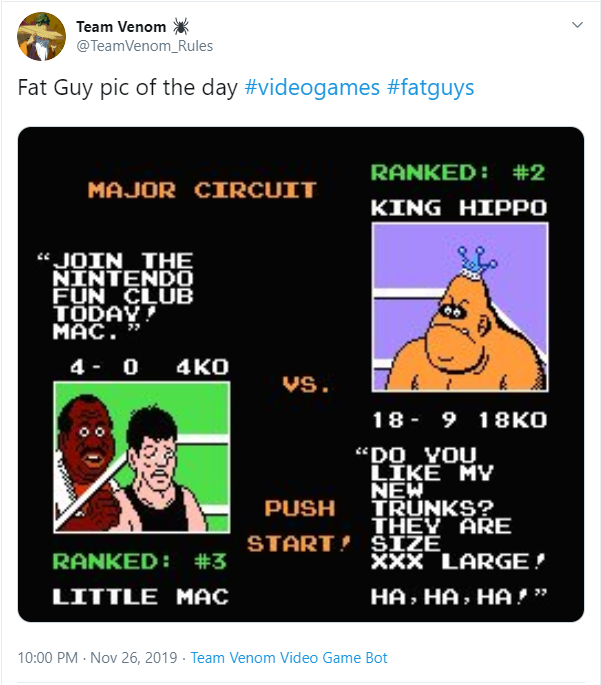
 The Team Venom Website